
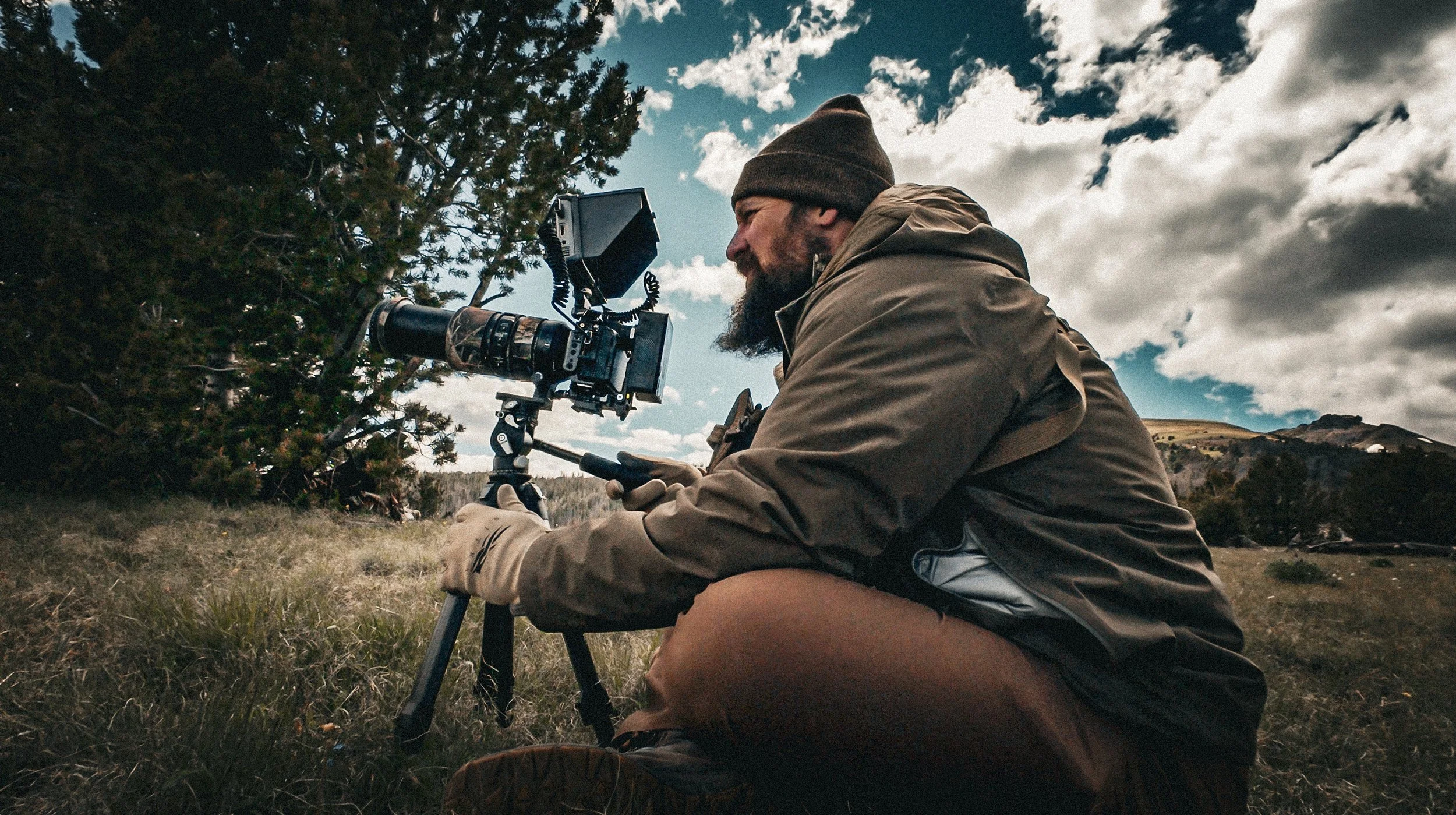
Example of a conservation project for the Wild Sheep Foundation
Conservation organizations are surrounded by stories.
The problem isn't finding something worth filming. It's recognizing those opportunities while they're happening.
Whether your organization works in wildlife conservation, habitat restoration, hunting and angling, public access, research or outdoor education, here are five stories you should be capturing.
1. Conservation Work in the Field
Don't just tell people what your organization does. Take them there.
Habitat projects, wildlife captures, population surveys, translocations, research projects and volunteer work all provide opportunities to show conservation happening in real time.
These stories help turn something that might sound abstract in an annual report into something people can actually see and understand.
2. The People Doing the Work
Conservation is ultimately driven by people.
Biologists, volunteers, hunters, researchers, landowners and conservation professionals can give your audience a personal connection to the mission.
Instead of simply explaining a project, introduce us to someone who has dedicated their time to making it happen.
People connect with people.
3. The People Impacted by Your Mission
Some of your strongest stories may come from the people your organization serves.
It could be someone's first hunt, a community gaining better access to the outdoors, a landowner participating in a conservation project or someone whose life has been changed through an outdoor program.
Their experience can often communicate the value of your mission better than a list of accomplishments ever could.
4. Before and After
Conservation often takes years, which makes documenting progress incredibly important.
Capture what a habitat restoration project looks like before work begins. Document wildlife populations throughout a recovery effort. Record the early stages of a new access project.
Then keep coming back.
Over time, that footage becomes visual evidence of the impact your organization is making.
You can't go back five years later and film the beginning.
5. What's at Stake
Sometimes the most important story is why the work needs to happen in the first place.
What happens to this wildlife population without intervention? What does invasive vegetation mean for this habitat? What happens if public access disappears?
Showing the problem gives your audience context for the solution.
It also helps people understand why your organization's work matters and why their support may be needed.
You Already Have a Story Worth Filming
The next great conservation film doesn't necessarily require an expedition to some remote corner of the world.
It might already be happening during your next research project, habitat workday, hunt, wildlife survey or volunteer event.
The key is recognizing the story before the opportunity to capture it is gone.
At Aptitude Outdoors, I help conservation organizations identify and document these stories through filmmaking and photography that brings audiences into the field and shows them why the work matters.
Have a conservation project coming up that deserves to be documented?
Start the conversation here
