
Conservation organizations have no shortage of good stories.
Wildlife research, habitat restoration, hunting and angling, field projects, volunteers, biologists and the communities affected by conservation all provide opportunities to create meaningful films. But having an important story doesn't automatically mean people will watch it.
If your conservation videos aren't connecting with your audience, better cameras probably aren't going to solve the problem. Often, the issue is how the story is being told.
Here are three common mistakes conservation organizations make with video storytelling.
1. You're Starting With Information, Not a Story
It's tempting to begin a conservation video by explaining who your organization is, when it was founded and what it does.
That information may be important, but it doesn't necessarily give someone a reason to keep watching.
Give people a reason to care before you give them information.
Instead of opening with the history of a habitat restoration program, introduce us to the landscape or wildlife that needs it. Instead of explaining a hunting mentorship program, introduce us to the person experiencing their first hunt.
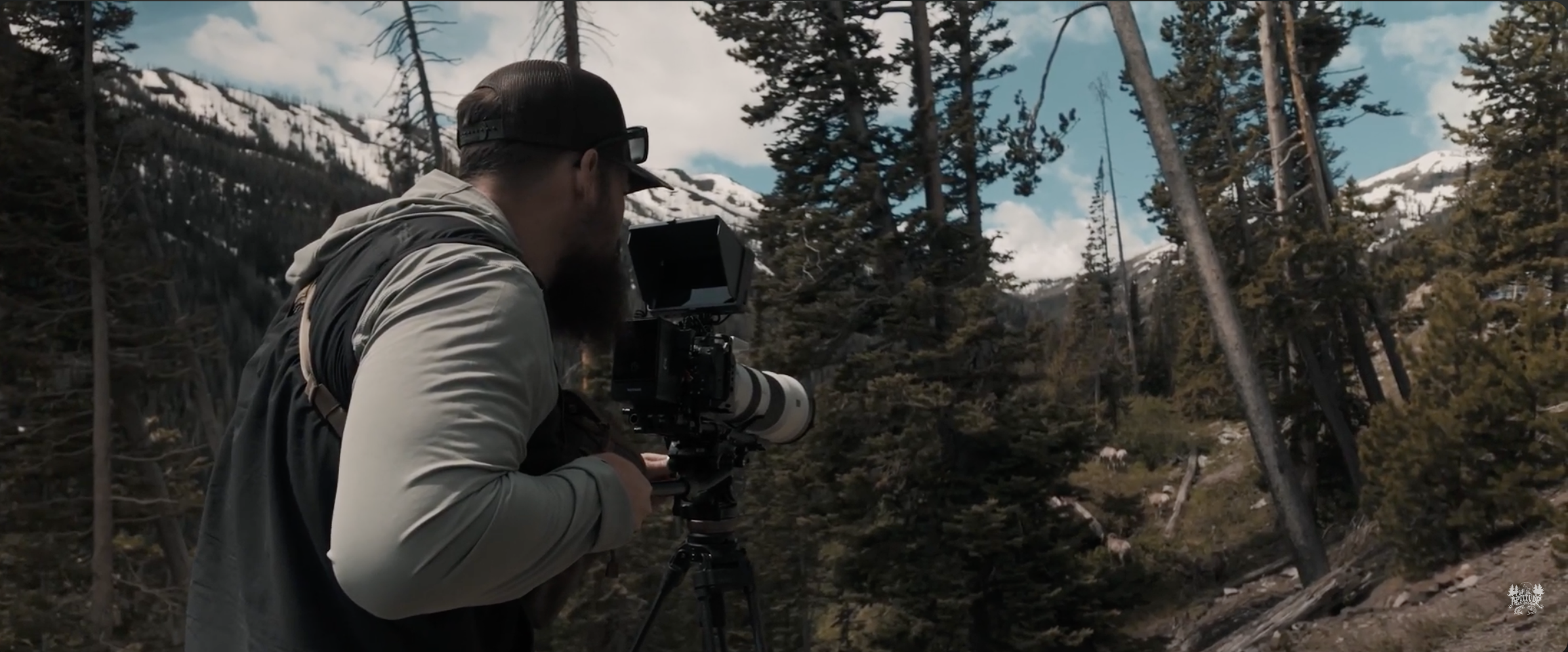
Once viewers care about the outcome, the information surrounding it becomes more meaningful.
2. You're Trying to Say Everything
Mission. History. Programs. Accomplishments. Statistics. Sponsors. Research. Fundraising.
Trying to fit all of it into one conservation film can make the story harder to follow.
When everything is important, nothing stands out.
A strong documentary or conservation video doesn't need to explain everything your organization does. It needs to tell one clear story well.
Determine what you want your audience to understand, feel or remember when the film ends and build the story around that idea.
There will always be another opportunity to tell the next story.
3. You're Making Your Organization the Hero
Your organization is doing important work, but that doesn't necessarily mean the organization itself needs to be the center of the film.
Put the focus on the people, wildlife, places or problems your work impacts.
Show the biologist working in the field. Follow the volunteer restoring habitat. Introduce the hunter contributing to wildlife management. Show the species your research is helping conserve.
Let viewers experience why the work matters.
Your organization's role will naturally reveal itself through the story.
Your Organization Already Has Stories Worth Watching
Good conservation filmmaking isn't simply about producing beautiful footage. It's about finding the human, wildlife or conservation story within the work you're already doing and presenting it in a way that makes people want to keep watching.
The goal is to create stories that help people care, understand, remember and act.
Your conservation organization is probably already surrounded by those stories.
You just need to tell them the right way.
Need help turning your mission into a story people actually care about?
Reach out here
