
ARTICLES

“Americanitis” and the Rush to the Great Outdoors
Discover the history of neurasthenia, a diagnosis that spurred a mass exodus of city dwellers to natural retreats like the Adirondacks in the early 20th century. Learn how this "nature cure" response to urban stress shaped America's cultural and environmental landscape, influencing modern wellness and conservation movements.

The Role of the Farm Bill in Wildlife Habitat Protections
Discover how the U.S. Farm Bill plays a pivotal role in wildlife conservation through programs like the Conservation Reserve Program (CRP) and Environmental Quality Incentives Program (EQIP), which protect habitats and enhance biodiversity. Learn how these initiatives support sustainable land use and preserve America's natural ecosystems for future generations.

Grizzly Bears Out West: Conservation Success and Management Challenges: Wildlife For All
Explore the remarkable resurgence of grizzly bears in the western United States and the complex challenges of managing their growing populations in our latest article. Discover the balance between conservation success and human-bear conflicts as we delve into the history and current status of these iconic North American predators.

The Wild Waters of Yellowstone: A Story About Chasing Yellowstone Cutthroat
Explore the breathtaking adventure of fly fishing in Yellowstone National Park, as I navigate the iconic landscapes and pursue the elusive Yellowstone cutthroat trout. This gripping tale combines the thrill of the catch with an urgent call for conservation amidst the challenges of climate change and human impact.

Colorado’s Reckless Anti-Wildlife Management Ballot Initiatives: A Case Against Emotion-Driven Policies
Explore how Colorado's anti-wildlife management ballot initiatives, driven by emotional appeals rather than scientific evidence, threaten effective wildlife conservation. Learn why maintaining science-based policies is crucial for sustainable wildlife management and preventing unintended negative consequences for both wildlife and human communities.

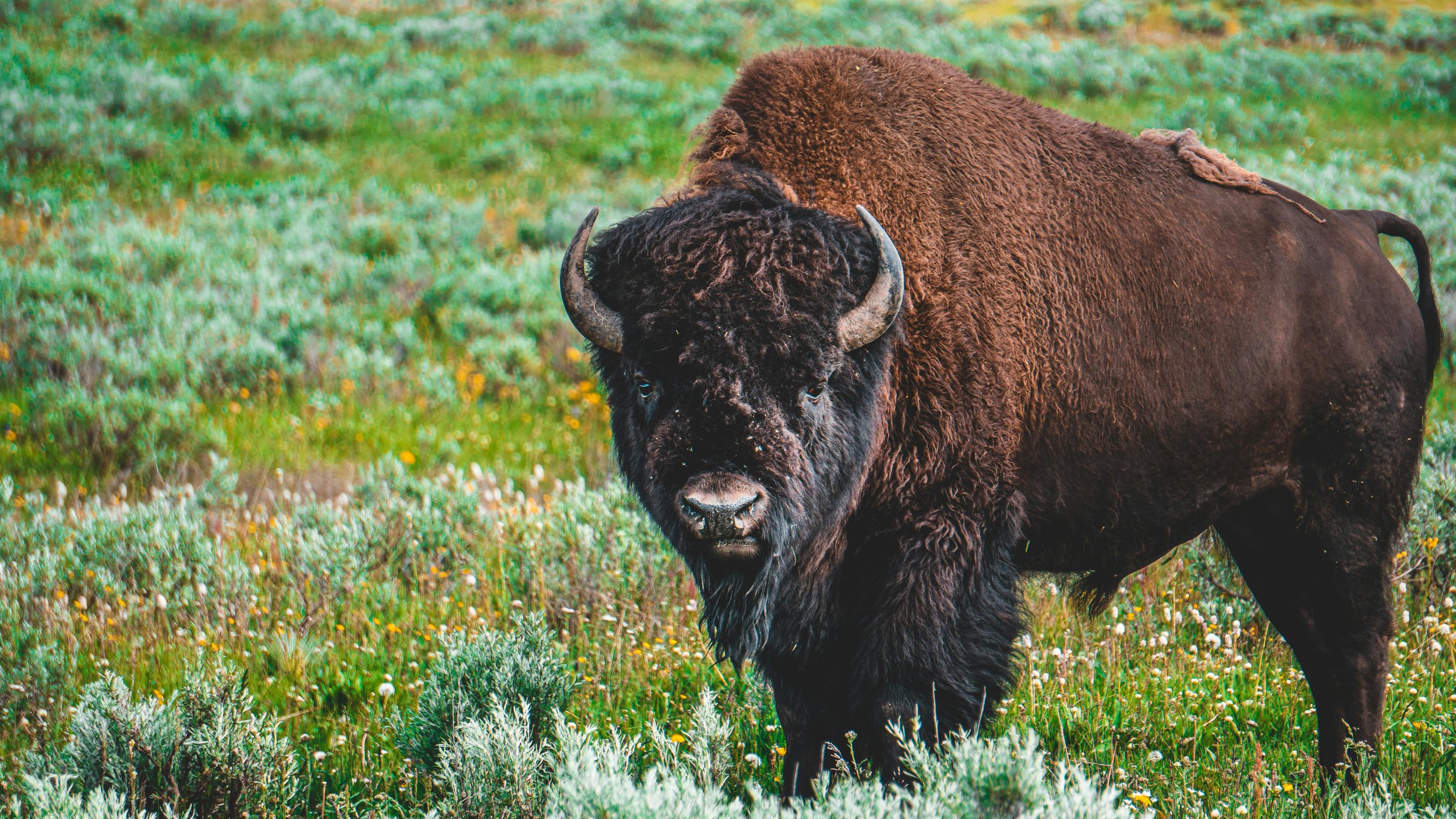
Icons of a Wild America: The History of the Bison
Discover the incredible journey of the American Bison, from the brink of extinction to a thriving symbol of conservation success. Learn about the historical challenges they faced and the dedicated efforts that ensured their survival and resurgence across North America.

The Big Problem in the Great Lakes: The Toledo Water Crisis and Its Implications
Discover the critical insights behind the 2014 Toledo water crisis caused by toxic algal blooms in Lake Erie, its impact on local communities, and the vital role of sustainable agricultural practices in preventing future occurrences. Learn how maintaining the health of Lake Erie is essential for preserving biodiversity and supporting hunters, anglers, and conservationists.

The Lacey Act and Its Impact on Wildlife Conservation in North America
The Lacey Act of 1900, one of the earliest wildlife conservation laws in the United States, targets illegal hunting and trafficking, significantly impacting the protection of endangered species and promoting sustainable practices. This pivotal legislation continues to evolve, addressing broader environmental issues and fostering international cooperation in combating wildlife crime.
The Pillars of the North American Model of Wildlife Conservation
The North American Model of Wildlife Conservation, established in the late 19th and early 20th centuries, is based on seven key principles that ensure the sustainable and responsible management of wildlife resources in the United States and Canada. This model's success in preserving numerous species showcases its effectiveness in achieving long-term conservation goals.

The History and Founding of Yellowstone National Park
Established on March 1, 1872, Yellowstone National Park is celebrated as the world's first national park, marking a pivotal moment in the global conservation movement. The park's creation set a historic precedent for the preservation of natural landscapes and wildlife, thanks to the visionary efforts of early explorers and conservationists.

The Role of Hunting and Fishing Licenses in Funding Conservation in America
Hunting and fishing licenses in the United States fund essential wildlife conservation and management programs, supporting habitat restoration, research, law enforcement, and public education. These licenses generate crucial revenue for state wildlife agencies, ensuring the sustainability of America's natural resources and outdoor recreational opportunities.

The Whitetail Deer: A Tale of Near Extinction and Remarkable Recovery
The whitetail deer, once nearly driven to extinction in North America due to overhunting and habitat loss, made a remarkable recovery thanks to the concerted efforts of hunters and conservationists who implemented sustainable practices and effective wildlife management. Today, their resurgence stands as a testament to successful conservation efforts and the vital role of ethical hunting in preserving wildlife populations.