
Seven Days in Wyoming's Washakie Wilderness: Filming the Story of Bighorn Sheep Country
There are still places in America where the only way in is on horseback.
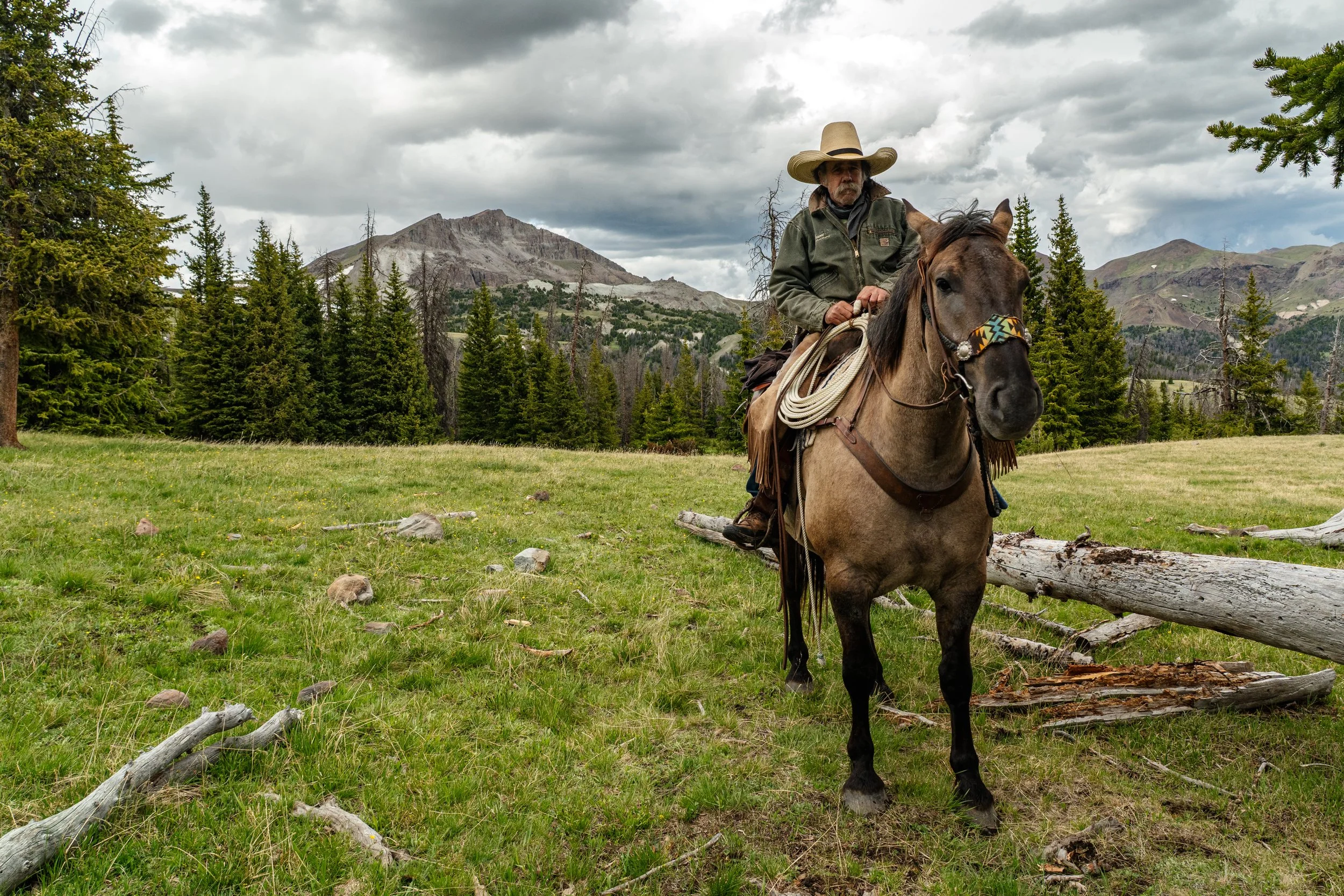
The Washakie Wilderness in northwest Wyoming is one of those places. Covering hundreds of thousands of acres adjacent to Yellowstone National Park, it remains one of the largest stretches of truly wild country in the Lower 48. There are no roads leading to the places we were headed. If you want to document what's out there, every piece of camera gear, camping equipment, food, and personal supplies has to be packed in on horses and mules.
That was exactly what we did.
For seven days, I had the opportunity to film in the Washakie Wilderness alongside legendary Wyoming horseman and outdoorsman Herman Brune. Together, we traveled entirely by horseback into one of the most remote areas of the American West to document the landscapes, history, and conservation legacy of Wyoming's bighorn sheep country.
Throughout the trip, we also had the opportunity to interview representatives from the National Bighorn Sheep Center. Those conversations added another layer to the experience, connecting everything we were seeing in the wilderness with the ongoing efforts to preserve bighorn sheep, western history, and the landscapes that make both possible.
When people watch a finished conservation documentary, they usually see sweeping landscapes, wildlife, and carefully crafted interviews. What they don't see is everything that happens behind the camera to make those moments possible.
Sometimes the wilderness has other plans.
A few days into the trip, one of our pack horses had a load shift on the trail. We stopped so the packs could be adjusted before continuing. One of the horses was tied to a nearby tree while the load was being fixed. Without warning, the horse panicked. Within seconds it was bucking violently, throwing its packs before ripping the entire tree out of the ground.
The commotion spread through the rest of the string instantly.
Horses and mules scattered in every direction as pack loads began falling off animals throughout the group. My camera equipment was thrown to the ground as the horse disappeared down the trail.
In a matter of seconds, camera cases, camping equipment, food, and supplies were scattered across the mountainside. My horse decided that this would be a good time to see how fast it could run and took off full speed down the trail, unable to be stopped no matter how hard I pulled on the reigns.
For a few minutes, filming wasn't even a consideration. Everyone's focus shifted to getting the horses under control, making sure nobody had been injured, and recovering the gear spread across the trail.
Once every horse was accounted for and the loads were repacked, we climbed back into the saddle and continued toward the high country.
That's life in the backcountry.
No matter how much planning goes into a production, nature always has the final say.
Fortunately, the rest of the trip was everything we had hoped it would be.
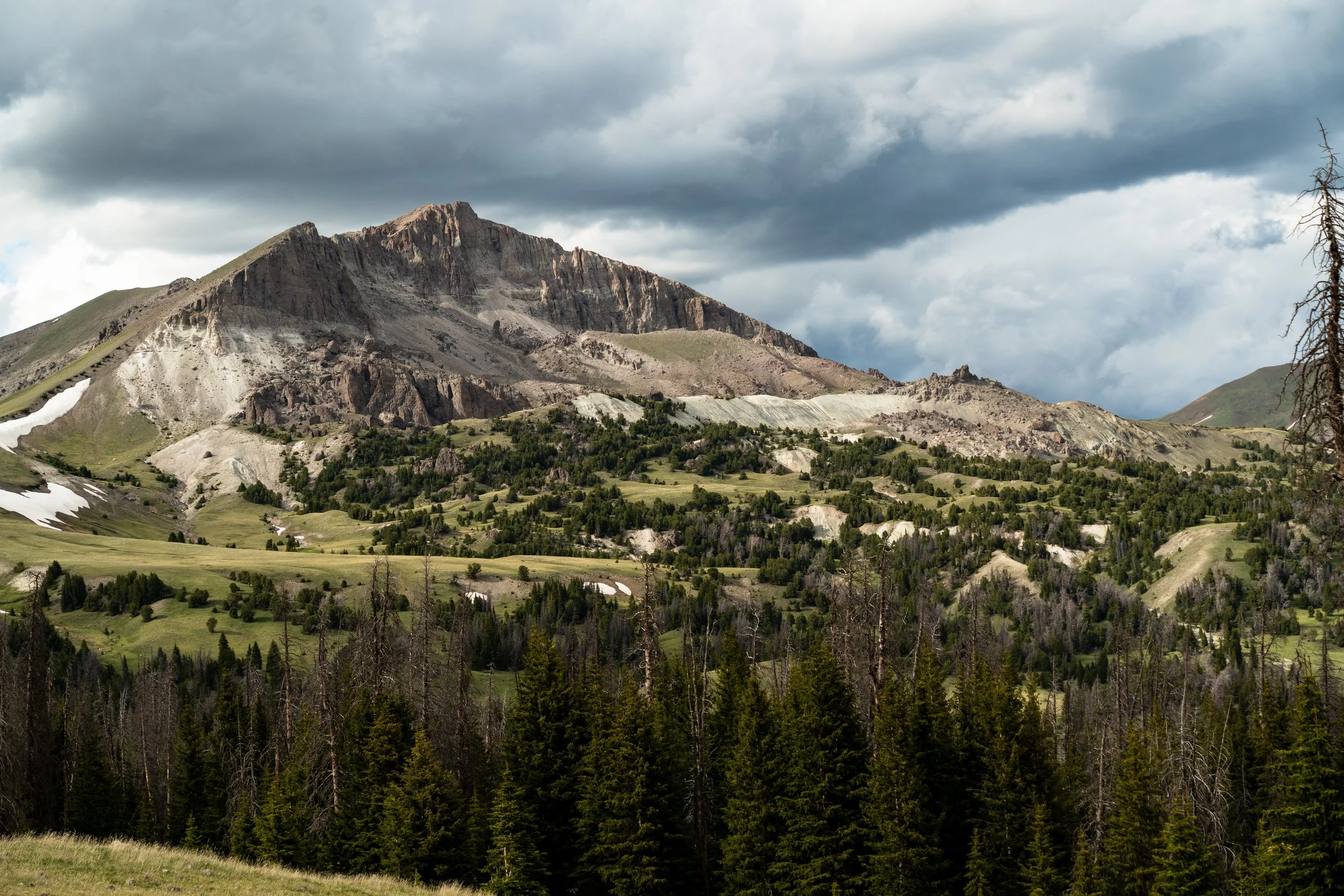
Every day brought another incredible view. Towering peaks overlooked lush alpine meadows while crystal-clear streams carved through valleys below. The farther we traveled, the more it felt like we had stepped back in time.
One of the highlights of the expedition was documenting an ancient Native American sheep trap.
Long before modern wildlife management existed, Indigenous hunters understood bighorn sheep behavior well enough to build stone structures that helped funnel animals into strategic locations. Standing there, surrounded by the same mountains those hunters once knew, was a powerful reminder that the story of Wyoming's bighorn sheep stretches back thousands of years.
After spending time with the team at the National Bighorn Sheep Center, seeing the trap firsthand carried even greater meaning. Modern conservation is only the latest chapter in a story that began long before roads, fences, or wildlife agencies existed.
Later in the trip, we reached an old sheep herder's cabin sitting at nearly 10,000 feet above sea level. Weathered by a century or more of harsh Wyoming winters, the cabin remains a reminder of the men who once spent entire seasons tending sheep in these remote mountains. Looking around, it wasn't difficult to imagine what life must have been like living weeks away from the nearest road.
We also documented ancient Native American petroglyphs that have remained preserved for generations.
Unlike artifacts displayed in museums, these petroglyphs remain exactly where they were created thousands of years ago. Standing in front of them, surrounded by untouched wilderness, was a reminder that these landscapes preserve far more than wildlife. They protect thousands of years of human history.
Throughout the week, our interviews with the National Bighorn Sheep Center reinforced that idea. Conservation isn't just about maintaining healthy wildlife populations. It's about preserving the landscapes, cultures, and stories that have shaped the American West for generations.
By the end of seven days, it felt like we had experienced a piece of the Old West that very few people ever get to see.
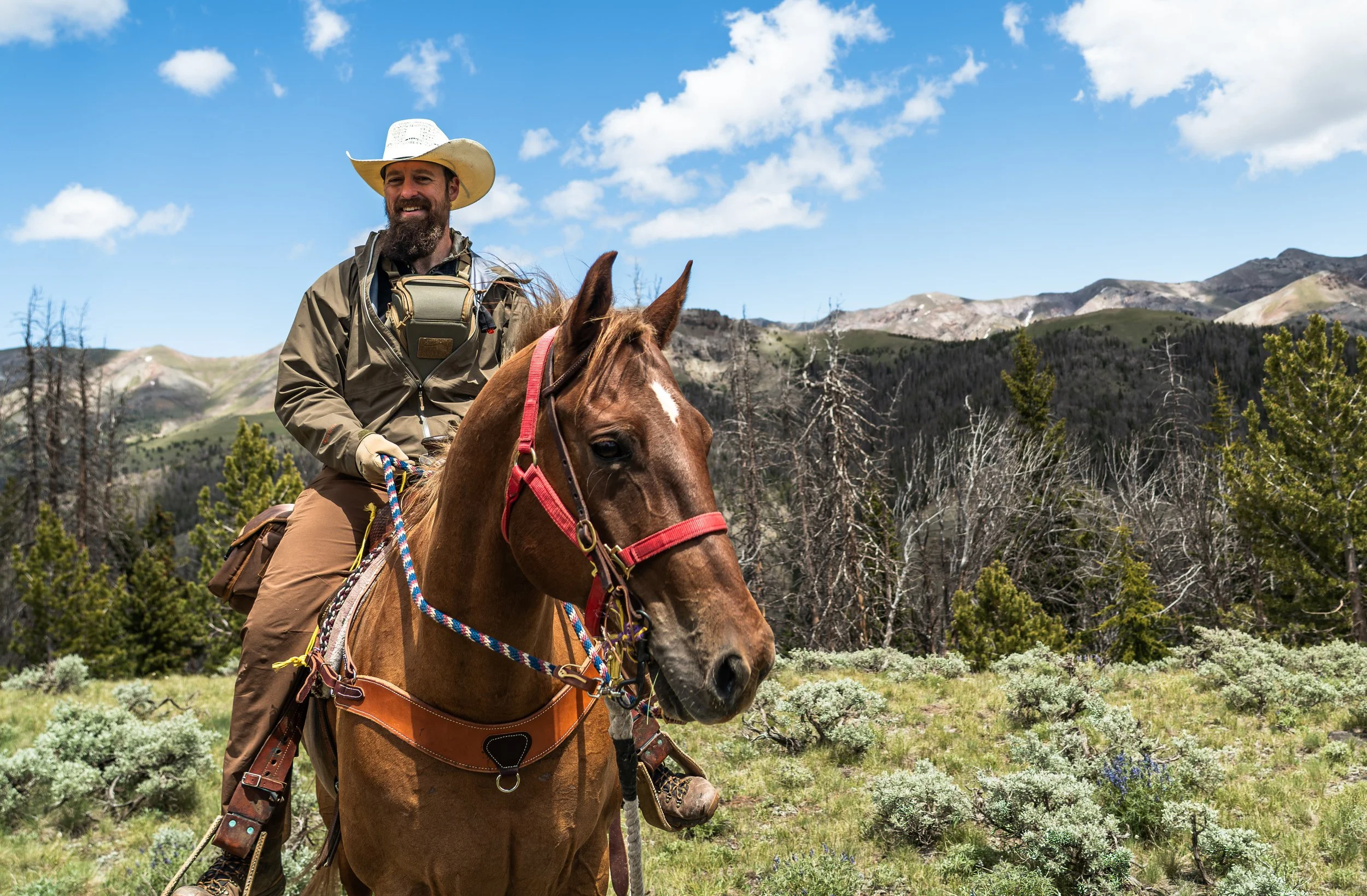
Long days in the saddle, pack strings winding through mountain passes, unexpected challenges and some of the most spectacular scenery I've ever had the privilege of filming.
Trips like this remind me why I started Aptitude Outdoors.
Beautiful cinematography is important, but it's only one part of conservation storytelling. The real goal is helping people understand why these places matter, why they're worth protecting, and why the stories connected to them deserve to be preserved for future generations.
Whether it's documenting wildlife research, habitat restoration, public lands, or the history woven into our wild places, every project is an opportunity to inspire people to care about conservation.
If your organization is looking for a filmmaker to tell that story, Aptitude Outdoors specializes in producing cinematic conservation documentaries that connect audiences with the people, wildlife, and landscapes behind the mission. From remote horseback expeditions in Wyoming's wilderness to conservation projects across North America, we're committed to going wherever the story leads.
