
How Boone and Crockett’s Intervention Saved the Key Deer
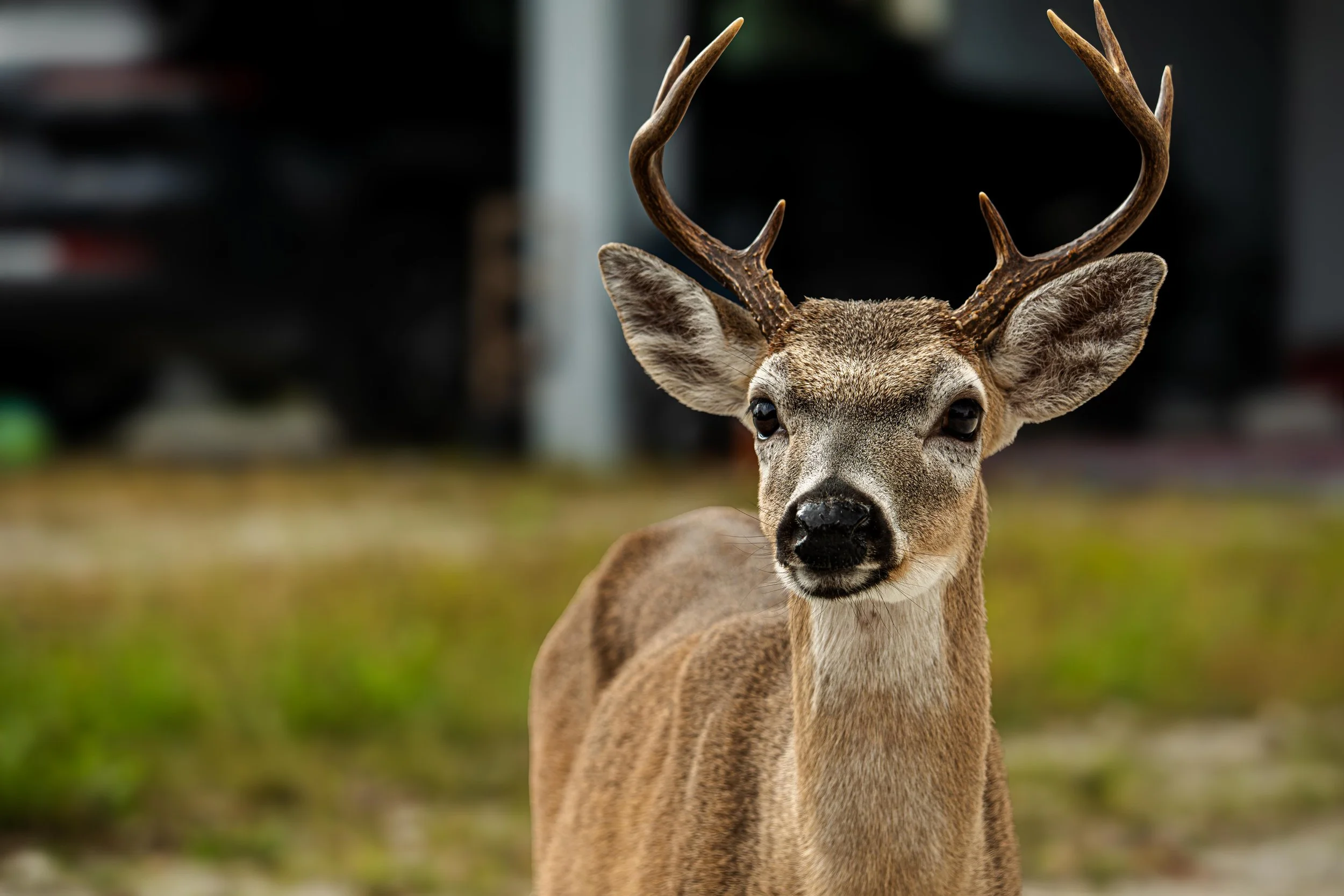
Key Deer Photo by Paul Fuzinski
When people think of the Florida Keys, they often envision crystal clear blue waters, sunshine and most of us dream of reeling in a tarpon, bonefish or permit. The thing that most often does not come to mind is deer. Specifically a subspecies of the American Whitetail known as the Key Deer.
Chester Moore and I drove to Big Pine Key to document a story that matters to both of us. A story about taking action and a fight to save a species very few people knew existed, let alone cared about. We came to photograph and film the Key deer, but we also came to tell the truth about their survival. These deer exist today because a conservation organization stepped in when no one else was willing to enforce the law.
The Key deer is a distinct subspecies of white-tailed deer found only in the lower Florida Keys. By the mid-20th century, human pressures such as unregulated killing, poaching, expanding development had reduced the population to only a handful of animals. Conservation laws were on the books, but enforcement was nonexistent. The species was declining because no one was present on the ground to conserve them.
That changed when the Boone and Crockett Club made a decision most organizations at the time were not prepared to make. They committed resources to active enforcement.
Boone and Crockett, a hunting-founded conservation organization with a long history of supporting science-based wildlife management, recognized that survival for the deer required more than legal protections. The Club helped fund and place Jack C. Watson on Big Pine Key as a dedicated warden. Watson’s role was to enforce anti-poaching laws and to hold people accountable.
Watson patrolled the landscape, built relationships with sympathetic locals, and kept pressure on those who would continue taking deer illegally. At a time when no federal refuge existed and state regulations were routinely ignored, Watson provided the deterrent the deer needed to persist.
Boone and Crockett’s investment in real, boots-on-the-ground conservation made a measurable difference. It bought the deer time and that time allowed larger structural protections to catch up.
In 1957, the National Key Deer Refuge was established. The refuge created a management framework, secure habitat, and a pathway for recovery. But even then, initial legislation did not provide sufficient funding for land acquisition. Once again, Boone and Crockett and its partners stepped in, helping secure critical parcels of habitat . Freshwater sources, pine rockland, and corridors the deer needed for their survival.
The result is not a full recovery by every possible measure, but it is a clear one. Without proactive enforcement and organized intervention, the Key deer we filmed and photographed might not exist at all.
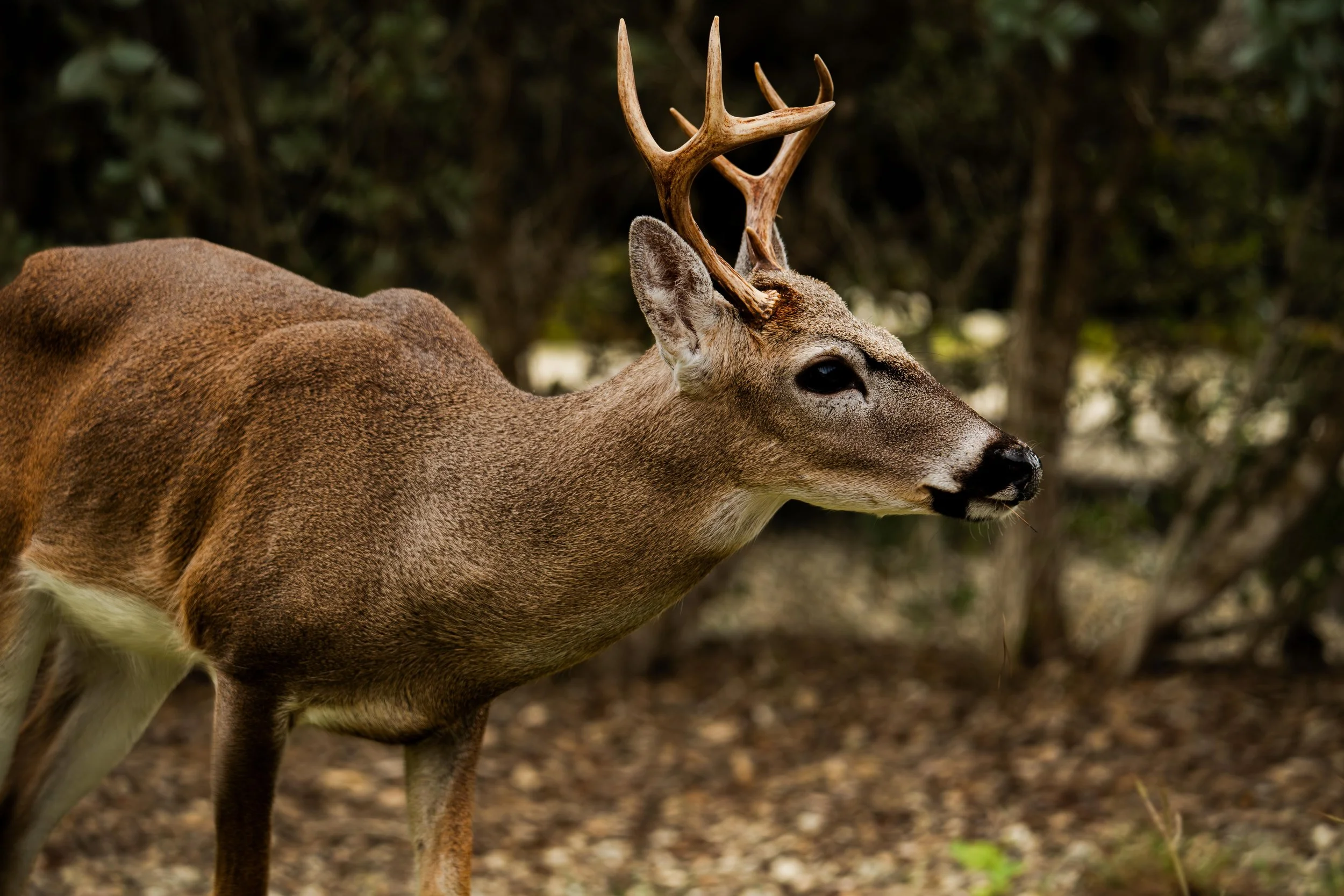
Key Deer Photo by Paul Fuzinski
During our time in the Keys, we also experienced the ecosystems that surround the deer. Clear waters where tarpon gather, flats that support productive fisheries, and landscapes shaped by both humans and wildlife. Those experiences reinforce a basic principle of modern conservation: wildlife and habitat management require active stewardship, not just good intentions.
The story of the Key deer is not a cliché about nature enduring against all odds; it is a case study in how organized conservation action, grounded in enforcement and accountability, leads to outcomes that laws alone cannot deliver.
If your organization is doing work that needs to be documented with accuracy, context, and respect for the people on the ground, we would be honored to help you tell that story. At Aptitude Outdoors, we specialize in conservation narratives that reflect real decisions, real interventions, and real results. Let’s tell your next impact story together.
